
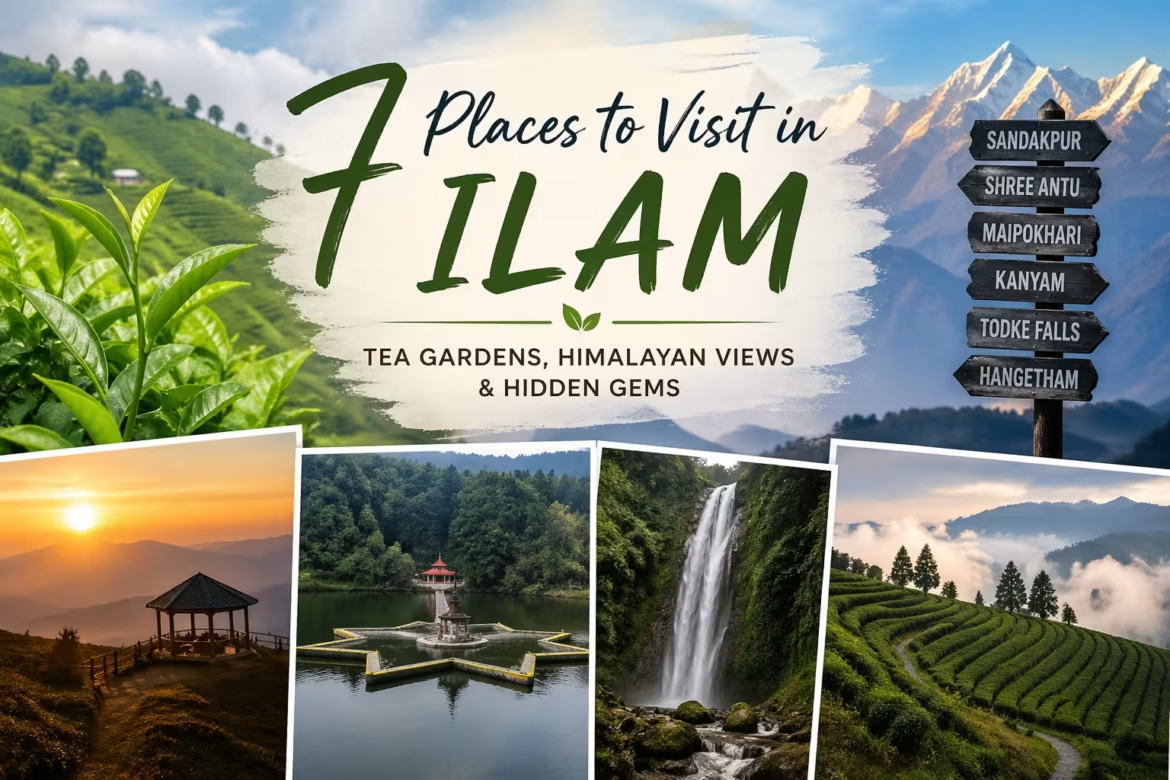
Everyone knows Ilam for its tea gardens. The moment you mention the name, people imagine endless green slopes, women picking tea leaves, and fog drifting lazily across the hills. And yes, that image is real. But if you stop there, you miss what Ilam actually is.
Ilam isn’t just a place you visit—it’s a place you settle into, even if only for a few days. It’s in the quiet mornings, the winding roads that don’t seem in a hurry, the conversations that stretch a little longer than expected. It’s not loud, not dramatic—but it stays with you.
If you’re planning to explore Ilam properly, don’t rush through it. Give it time. And more importantly, go beyond just one or two popular stops. These seven places will give you a fuller, more honest experience of what Ilam really feels like.
1. Sandakpur – For the View That Makes the Journey Worth It
Sandakpur is not the easiest place to reach, and that’s exactly why it feels special.
Sitting at around 3,636 meters on the Nepal–India border, it’s the highest point in eastern Nepal. Getting there usually involves a combination of driving and a few hours of trekking. The trail takes you through forests that feel untouched—dense, quiet, and occasionally alive with glimpses of wildlife if you’re lucky.
But everything changes when you reach the top.
The sky opens up. The air turns crisp. And suddenly, far in the distance, you see them—Everest, Kanchenjunga, Makalu, and Lhotse. Not close, not overwhelming, but clearly there. It’s one of those rare views where you don’t feel the need to take out your phone immediately. You just stand there for a bit.
Sandakpur isn’t just about reaching the top—it’s about the journey, the silence, and that one moment when everything feels still.
2. Kanyam & Phikkal – The Familiar Side That Still Feels Right
If Ilam had a “welcome area,” this would be it.
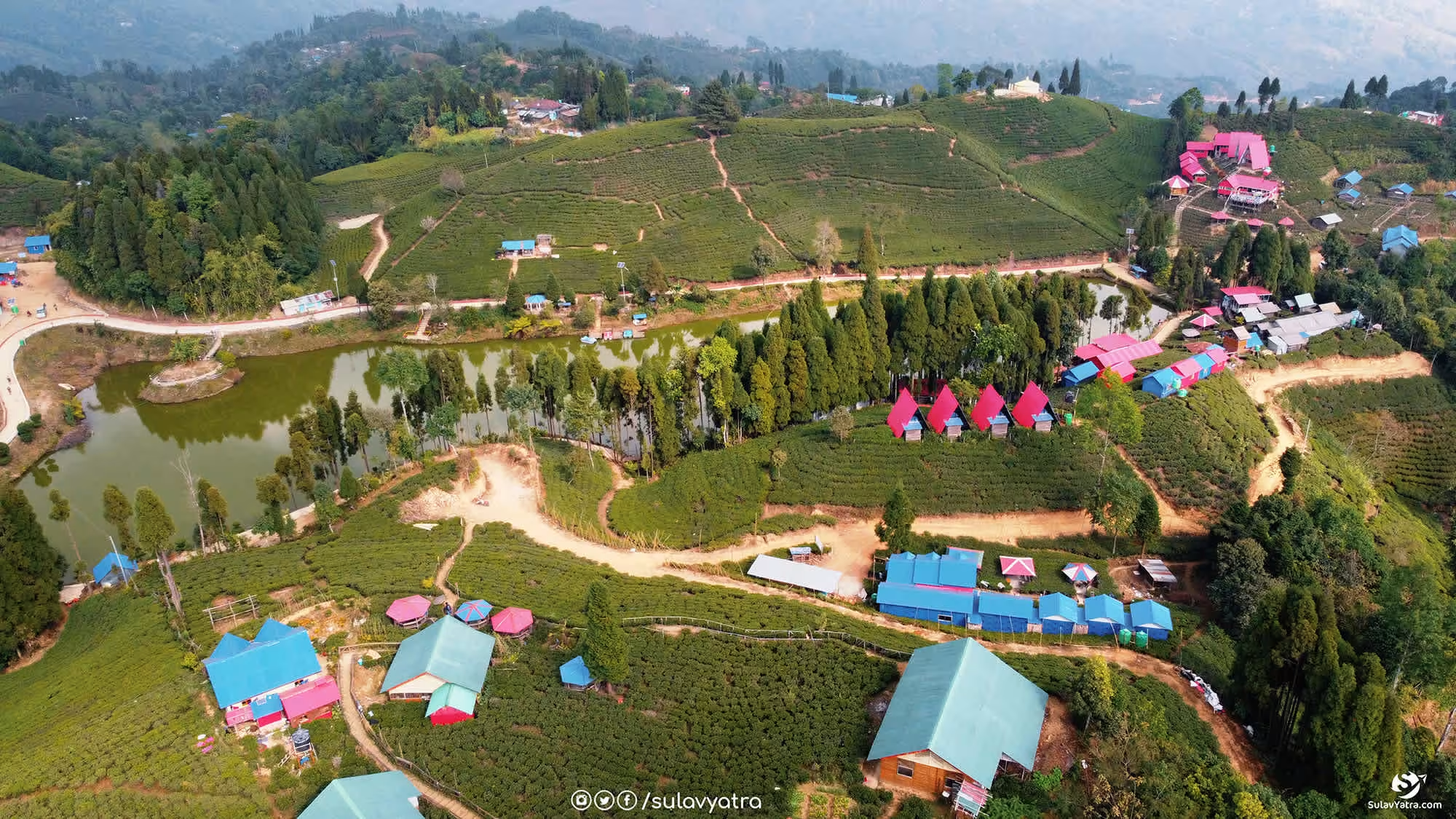
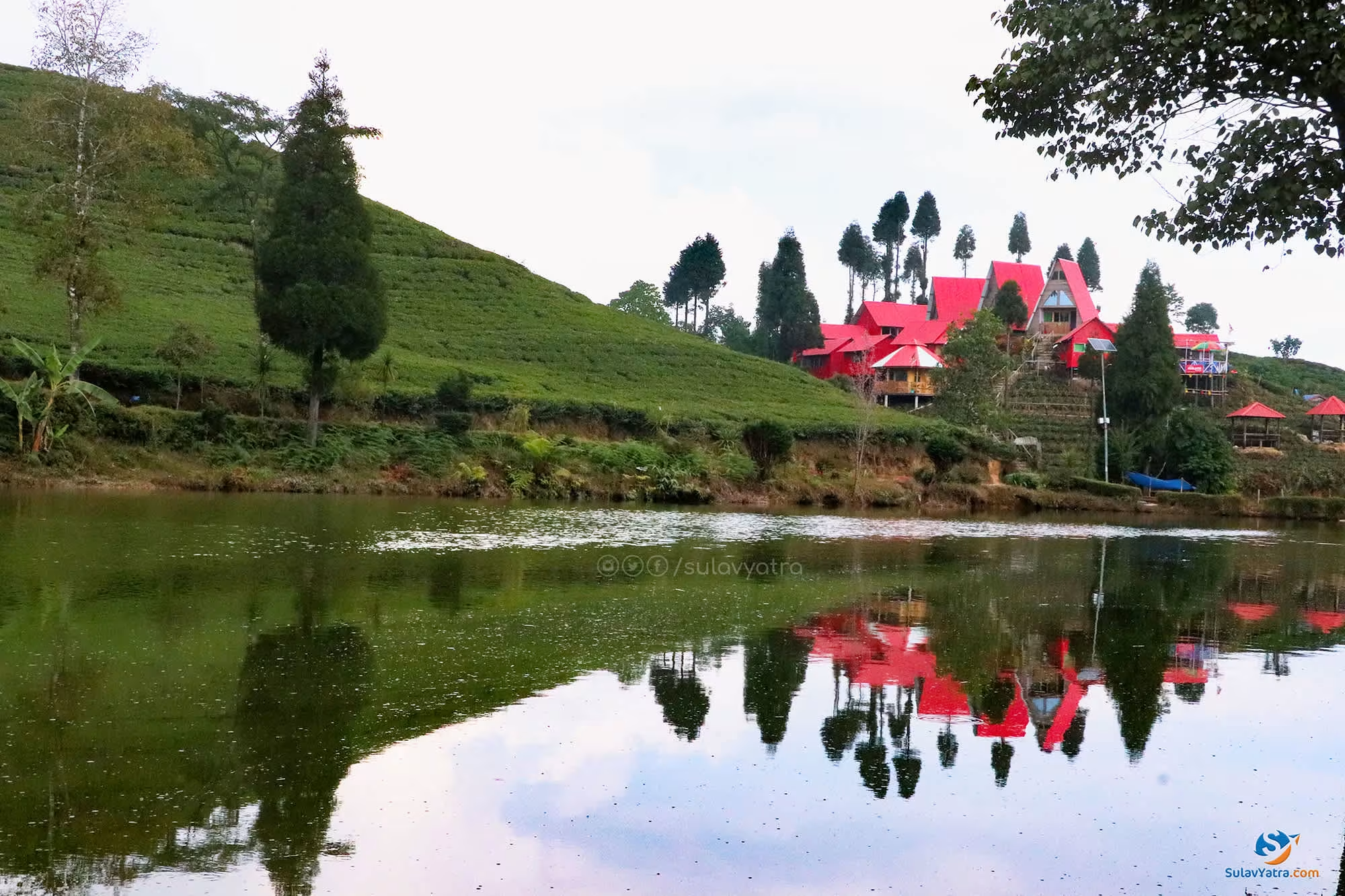
Kanyam is probably the most photographed part of Ilam, and for good reason. The tea gardens here are beautifully arranged—rolling hills covered in neat rows of green, often wrapped in soft mist. It’s simple, but there’s something calming about it.
You’ll see people walking slowly, stopping for tea, taking in the view without much urgency. That’s the rhythm of Kanyam. It doesn’t demand anything from you.
A short drive from Kanyam takes you to Phikkal, a small town that feels more lived-in. Unlike Kanyam’s scenic calm, Phikkal has a bit of movement—shops, local trade, and connections toward Darjeeling. It’s where everyday life blends into the travel experience.
Spend time here without a plan. Walk through the gardens, sit at a roadside tea shop, and just let the place unfold naturally.
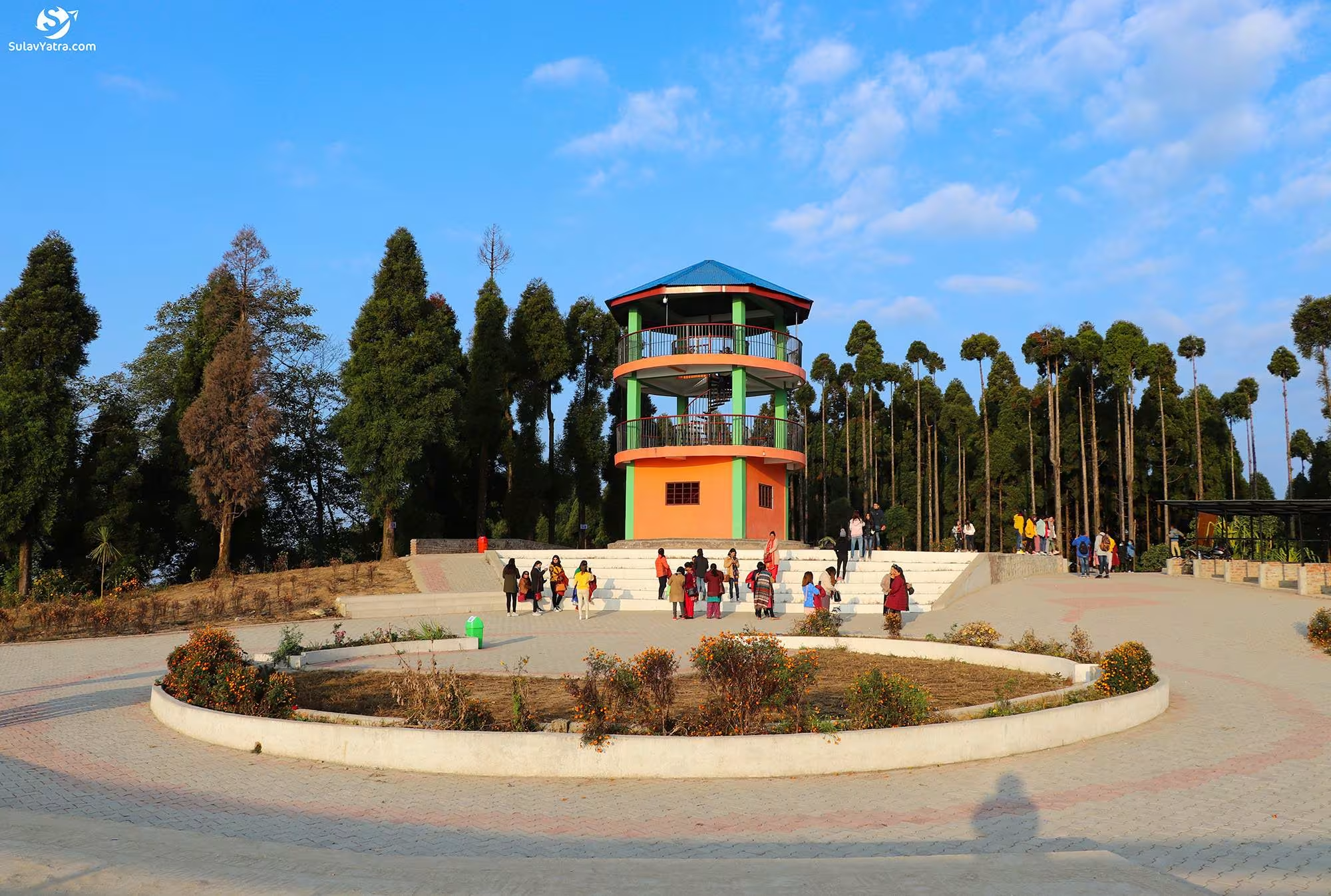
3. Shree Antu – The Kind of Sunrise You Don’t Rush
Shree Antu is often described as a sunrise point, but calling it just that feels incomplete.
To really experience Antu, you have to wake up before sunrise—when it’s still cold, still dark, and quiet in a way that’s hard to find elsewhere. You step outside, maybe with a cup of tea in hand, and wait.
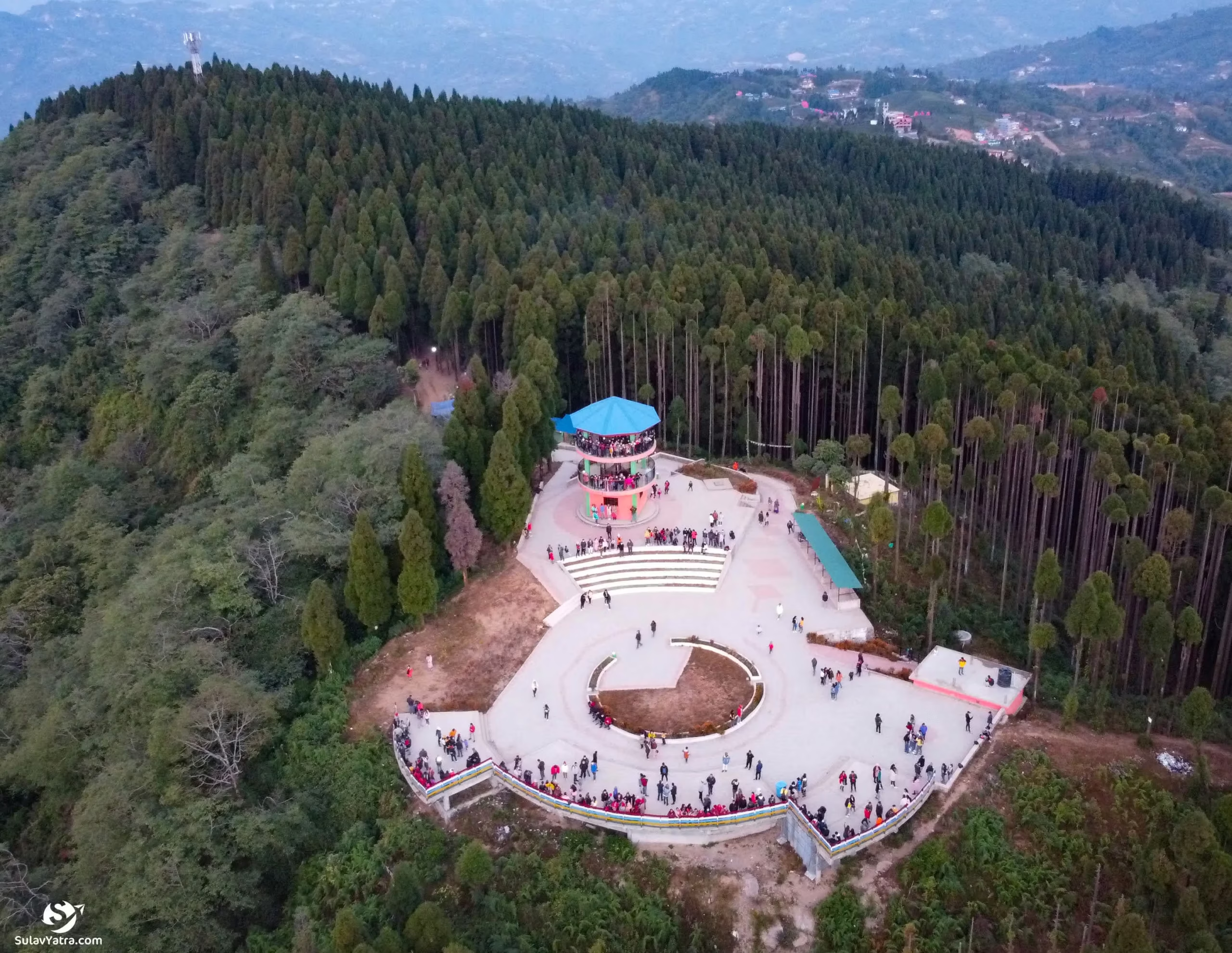
That waiting is part of the experience.
Slowly, the sky begins to change. The outlines of hills become clearer, and if the weather is kind, you start to see the distant peaks, including Kanchenjunga. The light doesn’t rush—it builds gently, and you feel like you’re watching the day begin from the very first moment.
What makes Antu even more special is the local lifestyle. This is one of the places where the homestay culture became popular in Ilam. Staying with a local family adds depth to your trip—simple meals, warm hospitality, and stories that don’t come from guidebooks.
Antu isn’t just about what you see. It’s about how you experience it.
4. Maipokhari – Where Everything Slows Down
There are places you visit, and then there are places where you naturally slow down. Maipokhari is the latter.
Located about 18 kilometers from Ilam Bazaar, this star-shaped wetland sits quietly surrounded by forest. The lake has nine corners, each believed to represent different deities, giving the place religious significance for Hindus, Buddhists, and Kirats.
But even if you’re not visiting for spiritual reasons, you’ll feel something here.
The air feels still. The surroundings are quiet, almost untouched. There are small temples, monasteries, and walking paths, but nothing feels crowded or overwhelming.
You don’t come to Maipokhari to “do” things. You come to pause. Sit by the water, take a slow walk around the lake, or just listen to the silence. In a place like this, even doing nothing feels meaningful.
5. Siddithumka & Gajurmukhi – The Side Most Travelers Miss
Not every place in Ilam is designed for visitors, and that’s what makes these two spots stand out.
Siddithumka sits at a moderate elevation and offers wide views of the surrounding hills. It’s not crowded, not overly developed, and that’s exactly its charm. Sunrise and sunset here feel quieter, more personal, without the usual rush of people trying to capture the perfect shot.
You’ll notice farms, small settlements, and a slower pace of life. It feels real, not curated.
Gajurmukhi, located by the Deumai River, is very different in atmosphere. It’s a religious site, deeply rooted in local belief. People come here with faith—seeking blessings, healing, or simply peace.
There’s a certain calmness in places where people aren’t trying to “experience” something, but simply believe in it. Gajurmukhi has that feeling.
Together, these two places give you a glimpse into Ilam beyond tourism—where life continues as it always has.
6. Todke Falls – Untouched and Unfiltered
Reaching Todke Falls feels a bit like discovering something not everyone knows about yet.
Hidden in the hills of Maimajhuwa, this waterfall drops from a height of around 85 meters, making it one of the taller waterfalls in Nepal. But what makes it special isn’t just its size—it’s how raw it feels.
You’ll hear the sound of water long before you see it. As you get closer, the sound grows louder, more powerful, until suddenly the falls come into view.
There are no large crowds, no heavy commercialization—just the waterfall, the surrounding greenery, and the sound of water crashing down.
It’s the kind of place that reminds you what nature looks like without filters.
7. Hangetham & Choyatar Forest – Where Ilam Feels Wild
If you’re someone who likes going a bit off-route, this part of Ilam will stay with you.
Located in the northeastern region, Hangetham and the surrounding Choyatar forest offer a completely different experience from the rest of Ilam. Dense forests, shifting weather, and rich biodiversity define the area.
You might walk through fog one moment and clear skies the next. Birds are everywhere, their sounds filling the silence. And if you’re lucky, you might even come across rare wildlife like the red panda.
This isn’t a place for quick visits. It’s for those who enjoy being in nature—not just looking at it, but feeling part of it.
Final Thoughts
Ilam doesn’t try to impress you in obvious ways.
There are no big attractions competing for attention, no rush to cover everything in a day. Instead, it offers something quieter—moments that don’t feel planned, views that appear when you least expect them, and a pace that gently pulls you away from everything fast and noisy.
These seven places aren’t just destinations—they’re different sides of Ilam. Some are well-known, some are easy to miss, but together, they create an experience that feels complete.
If you go to Ilam with a checklist, you’ll see it.
If you go with time and patience, you’ll feel it.
And that’s the difference.


Leave a Reply