
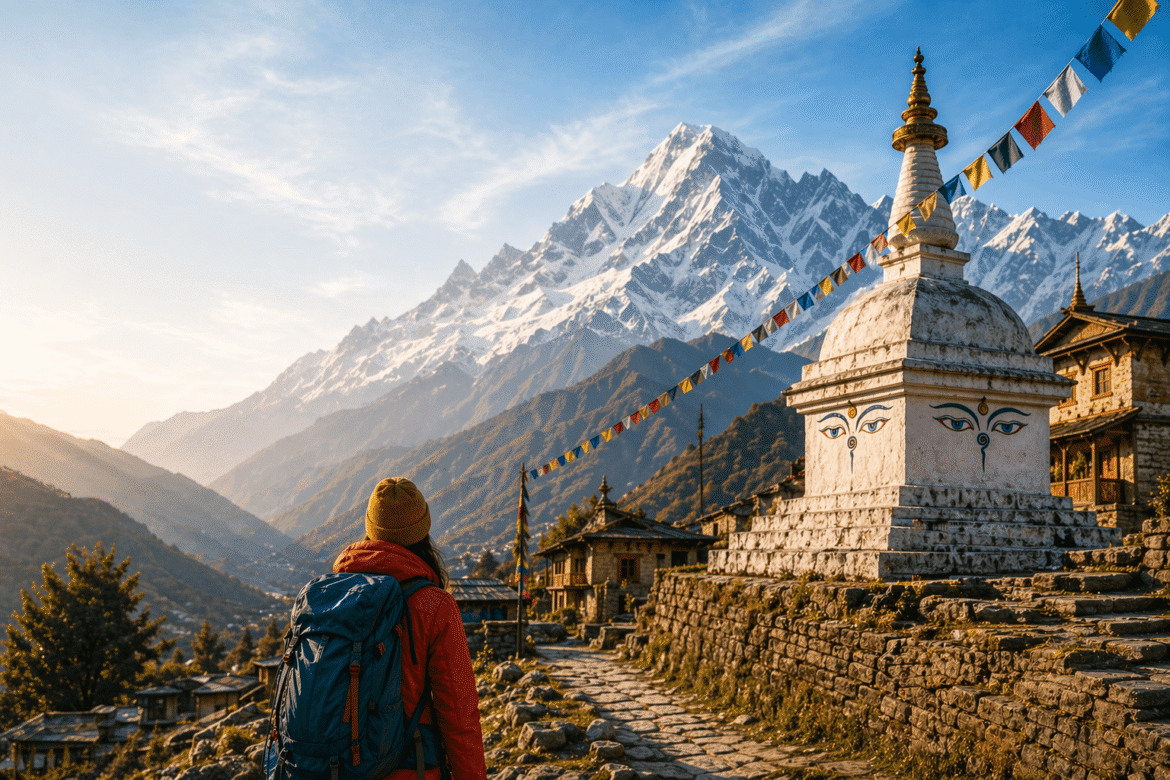
There’s something about Nepal that pulls people in quietly. Maybe it’s the mountains, maybe it’s the stories you’ve heard, or maybe it’s that desire to visit somewhere that still feels raw, authentic, and deeply connected to nature and culture.
But Nepal isn’t simply a destination you check off your bucket list—it’s a place you experience.
And while Nepal can be incredibly rewarding, the experience becomes far smoother when you understand a few realities before arriving. From unpredictable roads to altitude challenges and cultural etiquette, small preparations can make a huge difference.
If you’re planning your first trip, here are ten important things to know before traveling to Nepal.
Nepal Is More Than Just Mount Everest
For many travelers, Nepal instantly means Mount Everest.
And while Everest is undeniably iconic, Nepal offers far more than its tallest mountain.
The country is incredibly diverse for its size.
You’ll find:
- The peaceful lakes of Pokhara
- Wildlife safaris in Chitwan National Park
- Tea gardens in Ilam
- Ancient temples in Kathmandu
- Remote mountain villages in Mustang
Some travelers come only for trekking and leave without seeing Nepal’s cultural richness.
Take time to explore beyond Everest.
Choose the Right Season to Visit Nepal
Weather plays a huge role in your experience.
Autumn (September–November)
- Clear skies
- Best mountain views
- Popular trekking season
Spring (March–May)
- Rhododendron blooms
- Pleasant temperatures
- Great trekking season
Monsoon (June–August)
- Heavy rainfall
- Landslides in some areas
- Fewer tourists
- Lush landscapes
Winter (December–February)
- Cold mountain temperatures
- Less crowded cities
- Great for lower-altitude trips
Choosing the wrong season can completely change your trip.
Transportation Takes Longer Than You Expect
Nepal looks small on maps.
But travel times can be misleading.
A route that looks like a short drive may take several hours due to:
- Mountain roads
- Construction
- Traffic
- Landslides
- Weather disruptions
Domestic flights help in some cases, but delays are also common.
Always leave buffer time in your itinerary.
Nepal Can Be Budget-Friendly — But Costs Add Up
Nepal is often marketed as a cheap destination.
And yes—it can be affordable.
But travelers often underestimate costs like:
- Trek permits
- Domestic flights
- Guides and porters
- Travel insurance
- Equipment rentals
- Private transportation
Budget travelers can still explore Nepal affordably—but planning matters.
Learn Basic Cultural Etiquette
Nepal is culturally rich and deeply traditional.
Simple gestures show respect:
- Remove shoes before entering homes or temples
- Dress modestly in religious areas
- Ask before taking photos of people
- Use “Namaste” as a greeting
Respect goes a long way in Nepal.
Altitude Sickness Is Real
Many first-time trekkers underestimate altitude.
You do not need to climb Everest to experience altitude sickness.
Popular treks like:
- Everest Base Camp
- Annapurna Base Camp
- Annapurna Circuit
can all expose travelers to high altitudes.
Take acclimatization seriously.
Drink water.
Avoid rushing.
Listen to your body.
Internet and Connectivity Can Be Unpredictable
Cities have improved internet access.
But remote regions often experience:
- Weak signals
- Slow internet
- Power cuts
Local SIM cards from Nepal Telecom and Ncell can help.
Still, prepare for occasional disconnection.
Sometimes that becomes the best part of traveling Nepal.
Carry Cash While Traveling
Card payments are growing in cities.
But cash remains essential across many parts of Nepal.
ATMs may not always be reliable in smaller towns.
Always carry enough Nepali rupees when heading to rural destinations.
Nepali Food Is Simple but Memorable
You’ll likely eat plenty of Dal Bhat during your trip.
And surprisingly—you may end up loving it.
Try:
- Momos
- Thakali meals
- Newari dishes
- Local tea
Food often becomes one of the most memorable parts of traveling Nepal.
Nepal Is Best Experienced Slowly
This may be the most important tip.
Nepal rewards slow travel.
Some of your best memories may come from:
- Unexpected conversations
- Quiet mountain sunsets
- Tea stops during long journeys
- Unplanned detours
Nepal often gives travelers something they weren’t expecting.
But only if they allow time for it.
Travel Nepal With an Open Mind
Traveling to Nepal isn’t complicated.
But it requires flexibility, patience, and curiosity.
If you arrive expecting perfection, delays may frustrate you.
If you arrive open to the journey, Nepal often becomes unforgettable.
And that’s exactly why so many travelers keep coming back.

Leave a Reply