
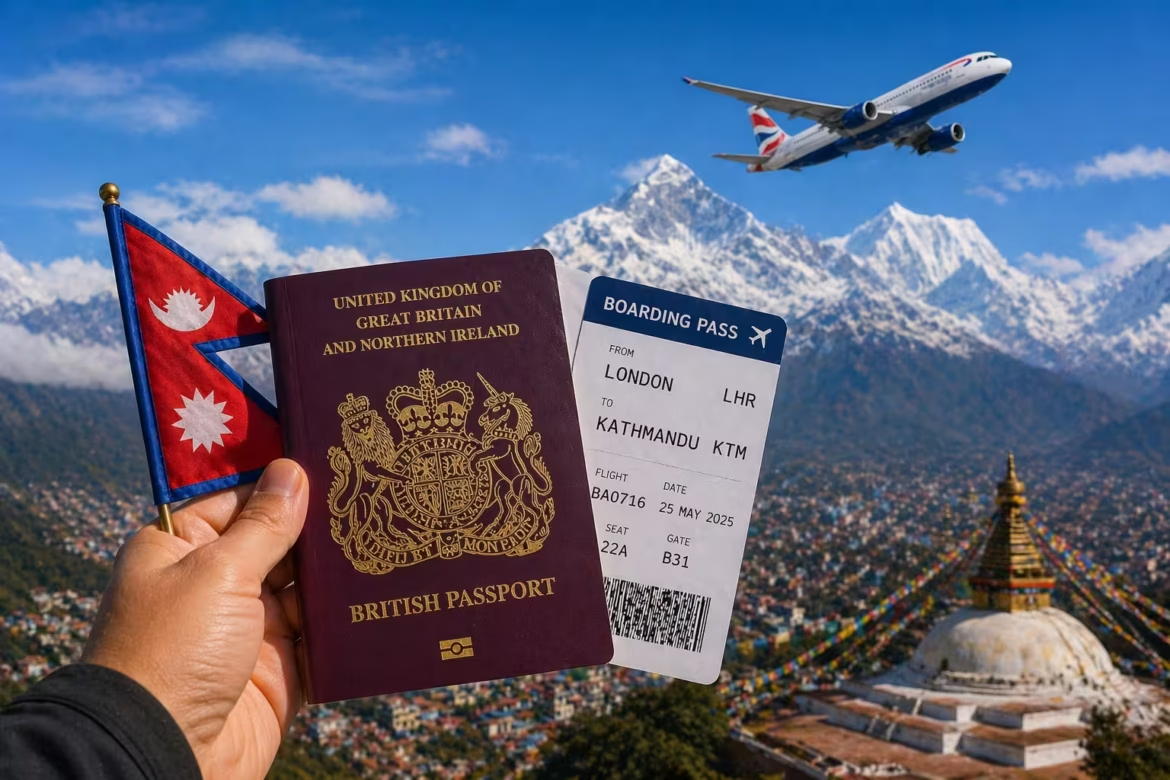
Traveling to Nepal feels easy once you’re there—mountains, temples, tea, and slow mornings—but getting in smoothly depends on a few small things most guides either overcomplicate or completely miss. This isn’t a rulebook. It’s the kind of practical, human guide you wish someone told you before your first trip.
Visa on Arrival: Simple, but Don’t Wing It
For most travelers, Nepal offers Visa on Arrival (VoA) at major entry points like
Tribhuvan International Airport and key land borders.
You’ll need:
- A passport valid for at least 6 months
- One passport-size photo (sometimes optional, but carry it)
- Visa fee in cash (USD preferred)
Typical fees:
- 15 days – $30
- 30 days – $50
- 90 days – $125
There are kiosks at the airport, but after a long flight, queues can feel longer than they actually are. If you want to save time, fill the online form in advance via the Department of Immigration Nepal website.
👉 Reality check:
The process is straightforward, but expect a bit of waiting, especially during peak trekking seasons (Oct–Nov, Mar–Apr). Stay patient—it’s part of the rhythm here.
Who Doesn’t Get Visa on Arrival?
A few nationalities need to apply in advance through a Nepali embassy. If you’re unsure, always double-check with your nearest consulate before flying. Policies do change occasionally.
Documents You Should Always Carry
Think of this as your “don’t get stuck” checklist:
- Passport + printed copy
- Visa receipt (if pre-applied)
- Travel insurance (with evacuation coverage—important for trekking)
- Flight tickets (entry + exit)
- Hotel booking or local contact details
- A few extra passport photos
- Copies (digital + printed) of all documents
👉 Keep both digital backups and physical copies. Internet isn’t always reliable in remote areas.
Immigration Experience: What to Expect
Nepal isn’t strict in a stressful way—but it is procedural.
- Officers may ask:
- Purpose of visit
- Duration of stay
- Where you’re staying
- Luggage checks are usually relaxed, but:
- Avoid carrying drones without permission
- Declare expensive gear if necessary
👉 It’s not intimidating—just be clear, polite, and patient.
Extending Your Visa (If You Fall in Love With Nepal)
Many do.
You can extend your visa at:
- Department of Immigration Office Kathmandu
- Immigration Office Pokhara
Cost:
- Around $3 per day (minimum extension fee applies)
Domestic Flights: Easy, But a Bit Different
Flying inside Nepal is part of the adventure.
Popular routes include:
- Pokhara Airport
- Lukla Airport
Requirements:
- Passport (or copy)
- Printed or digital ticket
👉 What to expect:
- Weather delays are common (especially mountain flights)
- Flights may shift by hours—or even a day
- Luggage limits are strict (usually 10–15 kg total)
Trekking Permits & Special Passes
If you’re heading beyond cities, permits are non-negotiable.
1. TIMS Card (Trekkers’ Information Management System)
Managed by Nepal Tourism Board
- Required for most trekking regions
2. National Park / Conservation Permits
Examples:
- Sagarmatha National Park
- Annapurna Conservation Area
3. Restricted Area Permits
Needed for places like Upper Mustang or Dolpo
→ Must be arranged through registered agencies
👉 Tip:
Carry printed copies of permits—you’ll show them multiple times at checkpoints.
Emergency Contacts You Should Save
When you’re in the mountains or even just navigating a new city, having numbers ready matters.
- Tourist Police: 1144
- General Emergency: 100 (police), 102 (ambulance)
- Your country’s embassy in Kathmandu
You can also reach out to:
- Nepal Tourism Board
- Trekking Agencies’ Association of Nepal
👉 Tourist Police are surprisingly helpful—especially with lost items or travel issues.
Common Hassles (That No One Talks About)
Let’s keep it real:
- Cash dependency: Many visa counters don’t accept cards
- Slow processing during rush hours
- Flight unpredictability in mountain regions
- Permit confusion if you’re trekking independently
👉 None of these are deal-breakers—just things to be mentally prepared for.
Best Way to Apply: What Actually Works
From experience, this is the smoothest approach:
- Fill your visa form online before arrival
- Carry USD cash (exact change helps)
- Print everything—even if you have it on your phone
- Keep 30–45 minutes buffer at immigration
👉 Nepal rewards flexibility. The less rigid your expectations, the smoother everything feels.
Final Thought
Nepal doesn’t demand perfection from travelers. It just expects you to be prepared enough to respect the process.
Once you’re past immigration, everything slows down—in a good way.
And honestly, the paperwork fades quickly when you’re sitting somewhere in the hills, watching clouds roll over mountains that don’t feel real.

Leave a Reply